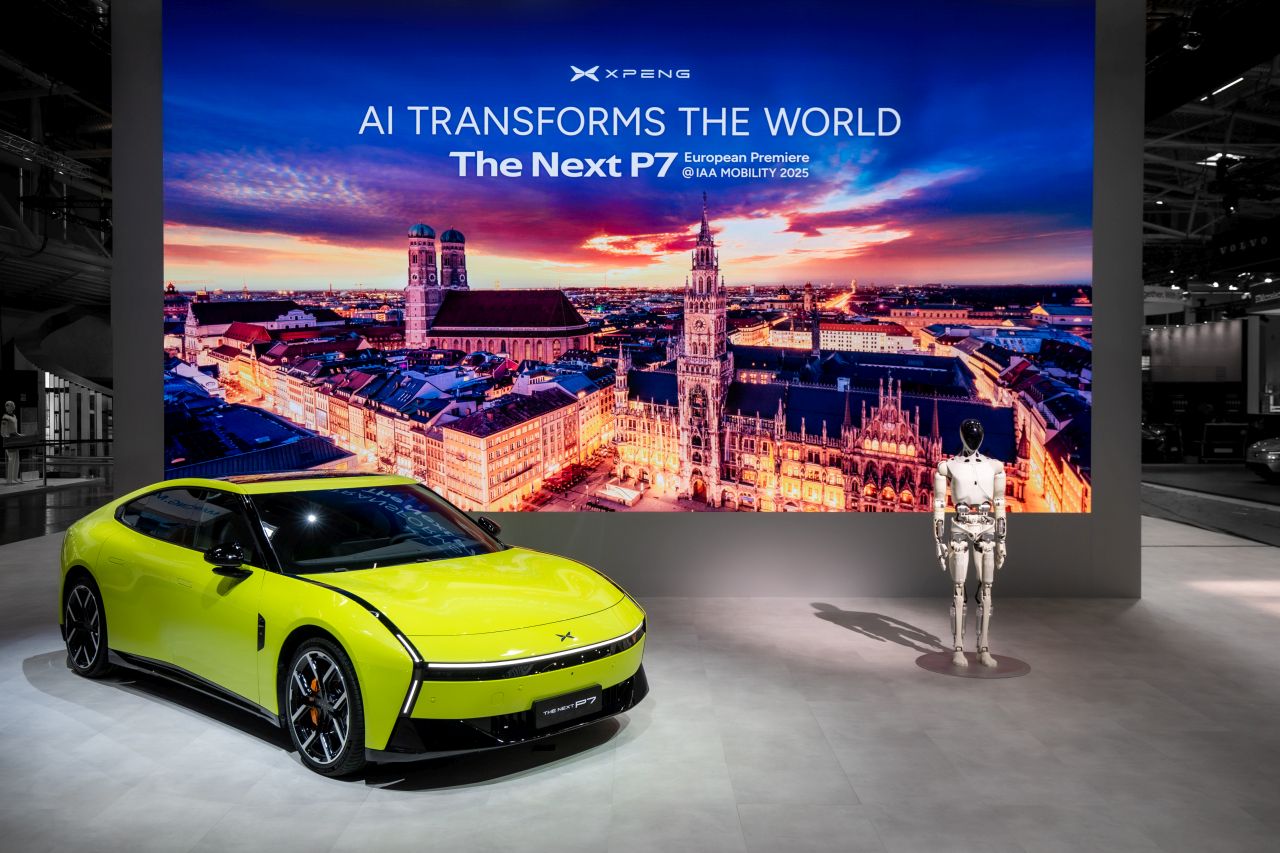

Independent multi-country study commissioned by XPENG reveals a growing disconnect between Europe’s intellectual acceptance of AI and its emotional readiness for autonomous mobility
Only 13% of Europeans feel comfortable with fully self driving cars, even though many already rely on AI enabled driving features in everyday mobility.
XPENG today released an independent, quantitative study on public attitudes to Artificial Intelligence (AI) and Physical AI across six European countries, with a reference sample from major Chinese cities. The findings reveal a defining European paradox: high familiarity with AI and frequent use of AI-enabled driver assistance, coupled with deep reluctance to give control to fully autonomous systems. While 82% of Europeans say they understand AI, just 21% feel comfortable with Physical AI in general and only 13% would step into a fully self-driving car today, compared with 70% in China.
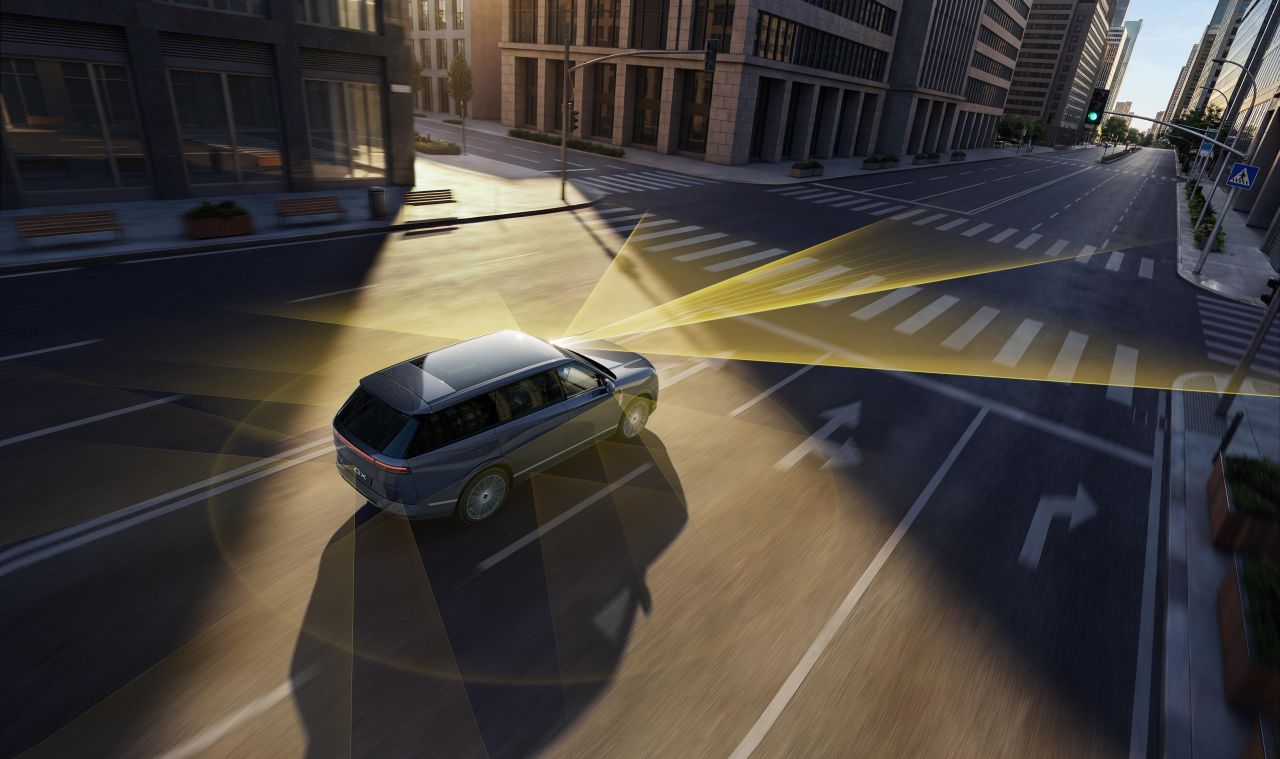
VLA 2.0: the autonomous guide system developed by XPENG
Europeans increasingly live with artificial intelligence every day. They use it at work, rely on it in digital services and already interact with AI powered systems in modern vehicles. Yet the moment AI moves from screens into the physical world and begins making decisions in real life, public trust sharply breaks down. The findings reveal five tensions that will define how AI mobility earns public trust in Europe:
- Assistance accepted, autonomy resisted: 42–53% of Europeans feel comfortable with driver‑assist features such as adaptive cruise control, traffic sign recognition and lane‑keeping. Comfort collapses when AI is framed as taking over driving or making emergency decisions; in cars overall, 53% express little or no trust in AI.
- Familiarity without comfort: Europeans report strong AI familiarity (82%) but low comfort with Physical AI (21%). Many who say they “rarely or never” use Physical AI rely on AI-enabled features in their vehicles, revealing a recognition and framing gap.
- Sustainability moves opinion: 57% of Europeans say credible proof that AI mobility improves sustainability would make them more positive (90% in China). Current belief that AI mobility increases safety or sustainability sits around one in four.
- Europe is not one market: Spain is comparatively open (63% trust in AI in cars; 32% comfortable with Physical AI), while the UK and Sweden are more cautious (34% and 32% trust in AI in cars respectively). Germans are notably modest about national AI leadership: 59% believe Germany is behind other countries on AI adoption.
- Trust is the bottleneck: A small majority of Europeans (54%) have at least some confidence that large technology and mobility companies act in consumers’ interests, far below China (94%). The leading fear is loss of human control over machines (61%), outweighing concerns about job losses (46%).
The data indicate Europe’s barrier is not the availability of advanced features but the social license to deploy them. Europeans accept AI when it demonstrably augments human judgment and remains explainable and interruptible. Acceptance falls when AI is positioned as an inscrutable decider. Measurable sustainability gains and transparent safety governance are decisive levers for public confidence.
Europe versus China context
Both regions report high familiarity with AI, but the pathways diverge. Chinese respondents report broader cross‑sector trust (≈85–94%), frequent use of Physical AI (78% often/very often) and much higher comfort with full autonomy (70%). Europe’s cautious stance underscores the importance of human‑centric design, clear guardrails and independently verified impact.
Sustainability and trust
For European audiences, sustainability acts as a permission architecture for AI in mobility. When emissions reductions and traffic‑flow improvements are evidenced and independently validated, a majority indicate they would shift more positively. Publishing verifiable data, not claims, emerges as a prerequisite for wider acceptance.

Brian Gu, Vice Chairman and President of XPENG
Dr. Brian Gu, Vice Chairman and President of XPENG, said: “Physical AI has the potential to transform how people move, live and interact with technology. But this research shows that capability alone will not drive adoption – trust will. Trust is built when technology is safe, transparent and designed around real human needs. Europe has some of the highest expectations for safety, transparency and accountability, and that makes it one of the most important places for the future of AI mobility. If we can earn trust in Europe, we can help establish a stronger global benchmark for responsible innovation.”
The path to AI mobility in Europe runs through trust architecture: human in command design, transparent safety validation and audited ESG impact. Companies that meet Europe’s standards will not only unlock local adoption, but help set the global bar for responsible autonomy.
For XPENG, this aligns with a broader commitment to responsible innovation. In 2025, XPENG received an MSCI ESG Rating of A for the third consecutive year, reflecting continued recognition of its progress in environmental, social and governance performance. As the company expands in Europe, its ambition is to operate at the intersection of innovation and ESG: advancing AI mobility in ways that are not only intelligent and useful, but also transparent, sustainable and accountable.
About the study
The research was conducted by independent agency Improof Research among representative consumer samples in the UK, Germany, France, Spain, Sweden and Poland (n≈800 per country; total Europe N=5,107), with an additional reference sample in major Chinese cities (N=1,008). Fieldwork was completed 1–14 May 2026 via Norstat access panels. European results are population‑weighted across the six countries. The report assesses familiarity with AI, trust by sector, usage and comfort with Physical AI, attitudes to autonomous driving, and the role of sustainability and corporate trust.
London, 3 June 2026
Anicecommunication Media Relations agency XPENG Italy >